
TRIP LENGTH: 4 Days
DIFFICULTY: Moderate / Difficult
FROM: $ 690 USD
Expedition | Cusco
Lares Classic Trek
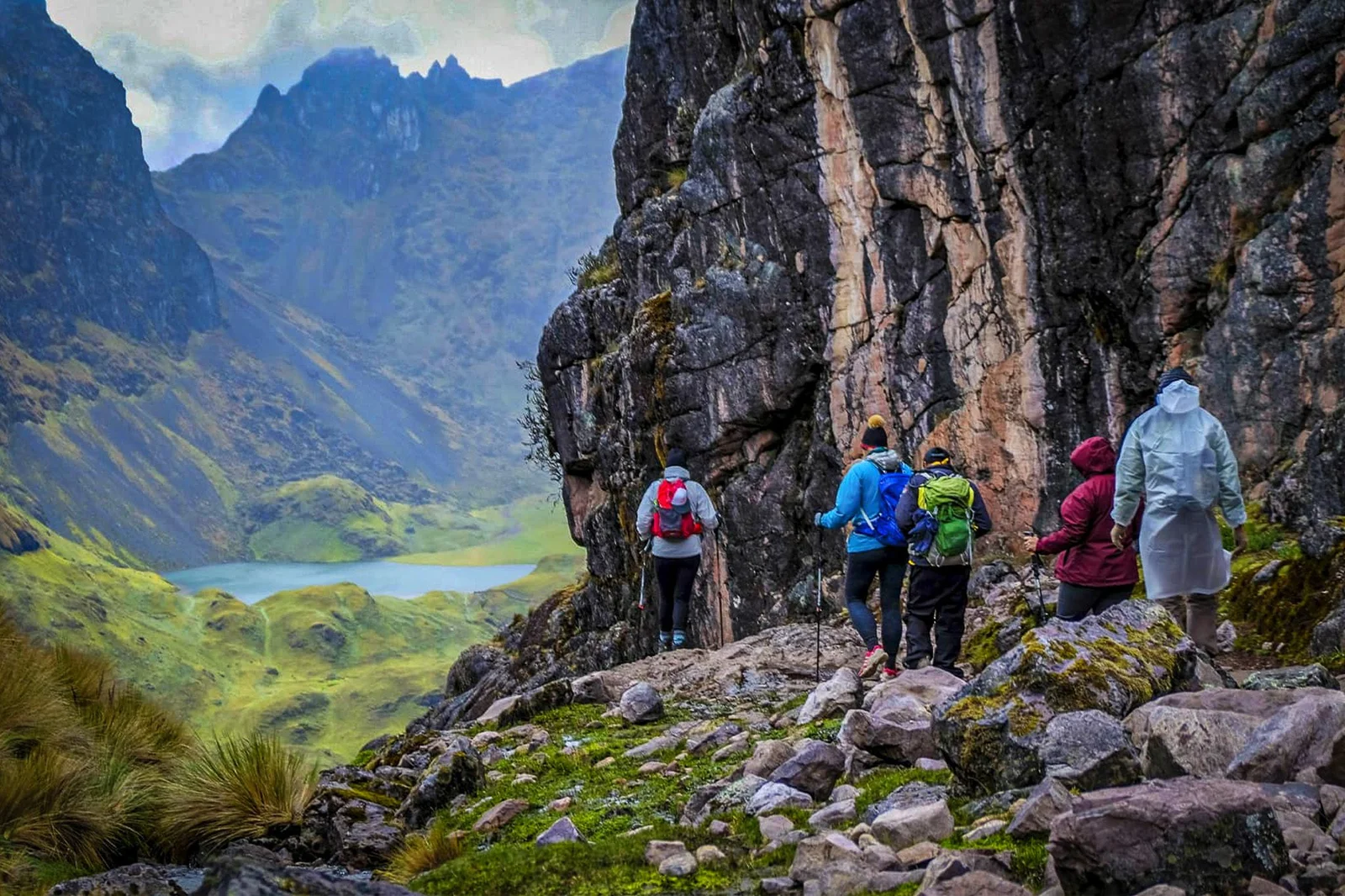
The Lares Trek is a unique experience for travelers seeking adventure, culture, and nature in the Andes. Along the route, you’ll enjoy breathtaking landscapes with snow-capped mountains, crystal-clear lagoons, and traditional villages where time seems to stand still. You’ll have the opportunity to interact with local families, learn about their ancient customs, and relax in natural hot springs before ending the journey with a visit to the majestic Inca citadel of Machu Picchu. It’s the perfect trek for those looking for an authentic and less crowded alternative to the classic Inca Trail.
Throughout the hike, you’ll cross high mountain passes with panoramic views of the surrounding peaks and valleys. The trail offers a rich combination of cultural immersion and scenic beauty at every step. Our experienced local team ensures a safe, well-organized, and comfortable adventure from start to finish. This unforgettable journey connects you deeply with the spirit of the Andes and its living traditions.
EXPEDITION
- Max Altitude: 4,450 m
- Route: Lares Classic Trek
- Availability: April – October
- Difficulty: Moderate / Difficult
TRAVEL PROGRAM
Day 1: Soak in Hot Springs and Reach Your Campsite Under The Falls Cusco – Famous Thermal Baths – Kiswarani Waterfall Campsite
- Trekking Distance: 10 km/ 6.21371 miles
- Camp Elevation: 3,850 meters / 1,2631 ft
- Weather: Cold
We’ll pick you up from your hotel at 5 a.m. to begin the famous Lares Trek to Machu Picchu. Pick up locations can be from any hotel, condo, or apartment located in the cities of Cusco, Urubamba, Huaran, or Pisaq. It’ll be a three-hour drive along the beautiful landscape of the Sacred Valley and through the Andes. Once we arrive at the Lares Hot Springs site, you’ll have your first breakfast accompanied by views of the Andes Mountains. Then, you’ll enjoy the hot springs, which are divided up between various pools ranging from freezing to hot water. They’re all composed of pure volcanic water, which is medicinal and considered to be good for your bones, stress, muscles, and headaches.
After soaking in the pools for a while, you’ll drive 20 minutes to the trailhead. Punta Carreteraat 3,300m / 10,827 ft above sea level. This is where you’ll meet up with your horses, riders, and give them your duffle bags. After, you’ll begin your expedition to Machu Picchu with a two-hour gradual uphill hike. That’s when we’ll reach our lunch spot at the first village called Kiswarani. This section of the hike is considered the potato valley area, because people farm many varieties of organic potatoes. Your guide will also point out some indigenous medicinal plants growing along the way. Then, we’ll arrive at our lunch spot where you’ll enjoy your first homemade meal prepared by our trekking chef.
After lunch, our horsemen (llameros) will do a ceremony with llamas showcasing these beautiful animals. Llamas were considered sacred to the Incas and fundamental to their economy. Our llameros will introduce you to these animals and discuss their importance and why owning one was a sign of privilege. Today they’re disappearing due to a variety of different reasons. We hope to continue the tradition of the Incas and give some llamas work. We do this to support the community that helps protect them. Llamas are pleasant to walk with and are friendly animals. Just don’t get too close, they might try to kiss you.You’ll also have time to explore the village and visit some local homes. You can learn about the lifestyle and ancient traditions of the local people. If there is time, we’ll visit the schoolhouse where the kids still speak their native language Quecha. You may also bring toys, notebooks, or school supplies to distribute. Perhaps you may even teach them a few words in English. It’ll be another two hours of gradually uphill hiking until we arrive at the campsite. There you’ll be welcomed by our trekking staff, who’ll have your tents set up. We’ll enjoy some hot drinks as the sky darkens and the stars start appearing.
Finally, you’ll enjoy a lovely dinner prepared on-site. If you want to keep star-gazing, you may stay up for a while longer or if you’d rather you can go to your tent.
Day 2: Summit Condor Pass and Explore a Traditional Andean Village Quiswarani – Condor Pass – Cancha Cancha Village
- Walking Distance: 14 km/8 miles
- Elevation Gain: 830 meters / 2,723 ft
- Camp Elevation: 3,750 meters / 12,303 ft
- Weather: Cold
Today you’ll be woken up around 5 a.m. with our service of hot drinks. You’ll have spectacular views of the colorful lake and the valley of Kiswarani. You’ll see the local people will already be up and about, taking their llamas and alpacas out to graze. Breakfast will be served once you have finished packing your gear. Then we’ll fill up our water bottles, organize snacks, and you’ll begin your expedition to Machu Picchu. It’ll be a three or four-hour climb to get to the summit of the mountain. This pass is called Pachacute or Condor Pass. We’ll zigzag our way up to compensate for the steep uphill. The views of the area are breathtaking, you’ll see lakes, waterfalls, llamas, and alpacas. We’ll have an emergency horse to ride in case you get tired and can’t walk anymore.
Once you arrive at the Condor Pass, you’ll be above the clouds and above the mountain peaks. Then you’ll be able to enjoy the astounding 360-degree view. In front of you will be the beautiful mountain of Pitusiray, which is at 5,700 m/ 18,700 ft high. Then there’s the Condor pass at 4,680 m/ 15,354 ft. Afterward, we’ll enjoy a hot drink service that your porters will carry with them. We’ll take advantage of some phenomenal photo opportunities and then start our descent.
You’ll then begin the one hour downhill descent towards El Mirador (Vista Point), where you’ll enjoy lunch. There’ll be some llamas grazing nearby. After lunch, you’ll hike the last three hours downhill. There’ll be fantastic views of many lakes, llamas, and alpacas, before arriving at your campsite. Which is the village of Cancha Cancha, the only village that does not have modern technology. Located at (3,750 m / 12,303 ft), where people still practice original Inca traditions. In this Incan village 85 percent of the houses are still built by ancient constructionmethods. Including houses made of stone and grass-thatched roofs. Unlike any other village in the Lares Valley, this village has no electricity or cars. Here, you’ll not only enjoy the wilderness but your porters will also set up your tents. You’ll have some time to meet with the local children. We provide them with food and school supplies. We invite our travelers to share this support in the education and the health of this native village. You can bring anything you would like to give to these Quechuan-speaking children that they could use for school or home.
When you’re done, your guide will take you to one of the local family’s houses. Here you’ll learn about the lifestyle of the locals. You’ll learn about the traditional hand- woven textiles made of llama and alpaca wool. In the evening you’ll enjoy hot drinks and dinner.
Day 3: Visit The Maras Salt Mines And Reach The Sun Gate Cancha Cancha – Huaran – Maras Salt Mine – Ollantaytambo – Aguas Calientes
- Walking Distance: 9 km /6.2 miles
- Aguas Calientes Elevation: 2,000 m / 6,562 ft
- Weather: Cold in the morning, warm in the afternoon. Watch out formosquitoes this day.
Our porters will wake you up with a hot drink and you’ll have some time to pack your bags and enjoy breakfast. After breakfast, you’ll have time to explore the village and visit the local elementary school. Here they still teach the ancient Inca language, Quechua. Once you’re ready, you’ll begin the last leg of your Lares trek. It’ll be four hours of walking downhill along this lovely path. You’ll pass by more llamas as well as alpacas.
We’ll pass by farms where they grow potatoes, fava beans, and many other traditional crops in traditional Incan style. You’ll have the chance to learn about Peruvian agriculture. You’ll learn from people who still farm by hand with traditional Inca farming tools. Now, we’ll start to descend to the warmer area of the Sacred Valley. You’ll start to feel the changes of the micro-climate and start seeing crops that are different. Around the Sacred Valley people farm corn, quinoa, kiwicha, peaches, avocados, and other types of fruit. This area has a lot of Inca history and you’ll end your tour at the Sacred Valley village of Huaran that sits at 2,700 m / 8,858 ft. Here you’ll say goodbye to your horses, horse riders, chef, and porters.
From Huaran, we’ll catch an Alpaca expeditions van and make the short drive into the valley to visit the Salineras salt pans, in the town of Maras. Here, at 11,000 feet above sea level a saltwater spring gushes forth and spills down the side of the mountain. Over 3,000 small evaporation chambers have been created and look as if they’re tumbling down the mountainside. These have been in use since pre-Incan times. The salt is said to have healing properties because it’s filled with natural minerals, some of it even comes out pink. Local families each own one of these pans and make their living supplying salt to the towns around the area. There is a small shop on-site if you care to take some salt home with you.
After visiting Salineras, we’ll climb aboard the Alpaca Expeditions van for a 45- minute drive. This’ll go along the Sacred Valley to Ollantaytambo. Ollantaytambo is the only living intact Inca village. It still has many Inca water channels, houses, and walls. Your guide will take you around to view this small town until it’s time for dinner, which will be at a local restaurant. We’ll then catch the 7 p.m. train for Aguas Calientes, the town below Machu Picchu (train times may vary, depending on availability). Upon your arrival in Aguas Calientes, you’ll check-in to your hotel and relax.
Day 4: Explore Machu Picchu and Start Trip Back To Cusco Machu Picchu – Ollantaytambo – Cusco
- Weather: Warm and humid
Day four is the most magical day because you’ll finally experience Machu Picchu. You’ll wake up early to catch one of the first buses (around 5:30 a.m.) for the 30- minute ride up to Machu Picchu. You’ll see the stunning Sunrise over the ruins. Your guide will take you for an informative two-hour tour. Afterward, you’ll have time to explore on your own and hike Huayna Picchu if you choose to (this is a separate entrance ticket and costs $80 per person).
In the afternoon, you’ll catch a two-hour train back to Ollantaytambo. Then you’ll travel by bus back to Cusco, where we’ll transfer you to your hotel.
What is included?
-
Professional Guides: All of our guides studied English and tourism at Cusco National University. They all grew up in the Cusco region, and love teaching others about their heritage.
-
Briefing: The night before your Lares Trek to Machu Picchu, you’ll come to our office at 6:30 PM for your briefing with your trekking guide. You’ll receive your duffel bag for your items. These must include your sleeping bag and air mattress. (ours weigh 2.5 kg and 1 kg respectively). All duffel bags will be carried by your porters and will only be available at your campsite each day (morning and evening). Any items that are needed while hiking should be packed in your daypack.
-
Porters & Horsemen: We include a personal porter who is responsible for carrying your duffel bag containing your items. There is no additional fee for this. Your duffel bag will be provided at your briefing the night before. This is to be filled with the things you’ll need for the next night and day. You will not have access to your duffel bag until you arrive at your evening campsite.
-
Emergency Horse: All of our alternative treks include an extra horse for our clients to use if they need a break from trekking.
-
Hotel: The trek will include two nights of camping. One night close to local villages and one night in a hotel in Aguas Calientes, the town below Machu Picchu. We include a 3-star hotel, typically at Inti Punku (or similar) if available. Your booked hotel will be on your final invoice, and upgrades are always possible.
-
Transportation: You’ll have transportation included for this trek. You’ll be picked up directly from your hotel around 4:30 a.m. ( unless you are staying in Ollantaytambo, then earlier) and brought to the trailhead to begin your trek. Hiking will end on day three, and you’ll head to Ollantaytambo. Once your hike is over, you’ll take the train to Aguas Calientes where you’ll spend the evening in a hotel. Your departure and return train to Aguas Calientes as well as back to Ollantaytambo will be on the Expedition Class Train. Your return train from Aguas Calientes to Ollantaytambo can be upgraded to the Vistadome Class Train for $80 per person. Once you arrive at the train station, you’ll be brought back to your hotel in Cusco. Also included is your round-trip bus ticket from Aguas Calientes to Machu Picchu.
-
Equipment: High Expeditions has the best equipment. We use Eureka Timberline 4 person tents that are shared by only two people. You’ll have a spacious dining tent to enjoy your meals in.
-
Food: The Alpaca Expeditions chefs cook delicious meals that many previous trekkers have loved. We honor all food restrictions, so be sure to add any that you have on your booking form and let your guide know at your briefing. Food is typically all served family-style. You’ll enjoy breakfast, lunch, and dinner each day for the trek along with a happy hour of tea and snacks. A snack will be provided each morning for you to enjoy along the hike. Your last meal with your chef will be after breakfast on day four. Lunch on the last day is not included.
-
Water: Beginning from your first lunch until your last breakfast, High Expeditions will supply all the water needed. This water is boiled, filtered, andthen cooled before distributing. You must bring personal water bottles and or a camelback. We recommend carrying about 3L worth. You’ll be able to refill your water at each meal.
-
First Aid: Every High Expeditions guide has received training in first aid from a physician. We conduct mandatory training sessions every February for all High Expeditions employees. Your tour guide will always have a first-aid kit for basic medical situations (traveler´s diarrhea, cuts, scrapes, etc.) and oxygen. We’ll get you off the trail as quickly and comfortably as possible if needed.
-
Extras: We believe it’s the attention to small details that separates us from other tour companies. Every trekker receives a small pillow to sleep with, a foam mattress for insulation, a day pack cover to protect their things while hiking, and a rain poncho.
-
Satellite Phones: Our top priority will always be the safety of our clients and our team. While all our guides are prepared and trained to deal with issues clients have on the mountain. Being a phone call away from any doctor, hospital, or friend helps everyone feel assured that they’re safe. Radios, which all our guides have, are limited in how far they can reach. So, Alpaca Expeditions has added Satellite Phones to every trek. Every guide will have a fully charged phone that can be used anywhere on the mountain. And they can be used by our clients for non-emergencies as well. While they’re not cheap to use, they are available.
What is not included?
Rentals: Every trekker needs a sleeping bag when camping. Inflatable air mattresses and walking sticks (with rubber tips) are optional but encouraged. If you don’t want to bring any of the above, they are all available for rent:
- Sleeping Bag 35.00 USD
- Inflatable Air Mattress 30.00 USD
- Walking Sticks (Pair) 30.00 USD
Huayna Picchu: Huayna Picchu is the mountain that stands next to Machu Picchu. It’s a 45-minute hike to the top. Going back down is quite steep if you’re scared of heights. You would do this after your tour of Machu Picchu. The cost is $85. Arrangements need to be made at least one month in advance due to popularity.
What to take?
• Passport
• Extra money (soles recommended)
• Personal medications
• Water bottle or camelback – (purifying tablets optional)
• Sunscreen 70+ or more
• Insect repellent
• Personal care products
• Hiking boots/shoes (preferably waterproof)
• Light shoes or sandals
• Hiking pants
• Hiking socks
• Long sleeve shirts
• Thermal jacket
• Waterproof jacket
• Waterproof poncho
• Hat that protects face and neck
• Neck scarf or buff
• Lenses with UV protection
• Sleeping bag
• Walking sticks
• Medium hiking backpack (15 to 25 liters)
• Camera with charger
• Extreme battery
• Snacks: energy bars, electrolytes, nuts, energy gels, etc.
• Swimsuit
• Towel
• Flashlight
Aditional Especial Touches
Thoughtful details designed to elevate your experience beyond expectations.
Hotel to Hotel Service
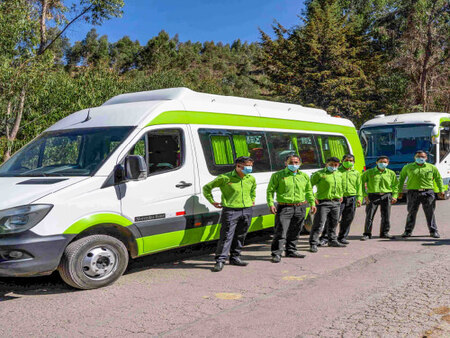
At High Expeditions, transportation is more than just a transfer — it’s part of your experience.
We provide reliable hotel-to-hotel service, with professional, punctual drivers who are properly uniformed and experienced in serving international travelers. Our team coordinates closely with guides and operations staff to ensure smooth pick-ups and timely returns at the end of each journey.
For trekking departures, pick-up is typically between 4:00 AM and 5:00 AM. Our drivers always arrive at least 10 minutes early, fully prepared and aware of Cusco’s peak traffic hours, ensuring you reach the airport with the recommended 2 hours in advance.
From the first pick-up to the final drop-off, you can trust that every detail is handled with precision and care.
Satellite Phones
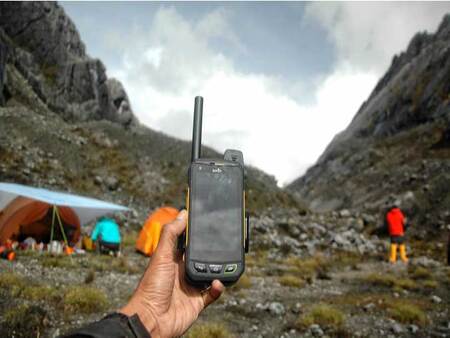
At High Expeditions, we believe the best way to experience the Peruvian Andes is to truly disconnect — from phones, internet, and daily routine — and reconnect with nature. The silence, the vast landscapes, and the feeling of being fully present in the mountains create an unforgettable experience.
At the same time, your safety is our priority. Every trek is equipped with fully charged satellite phones and radios. In remote areas with no signal, our guides can immediately contact medical services or coordinate assistance if needed.
Satellite phones are primarily for emergencies, but clients may use them if necessary at a cost of $4.00 per minute.
With High Expeditions, you disconnect from the noise — but you are always supported.
PARTNERS WITH